
ALM
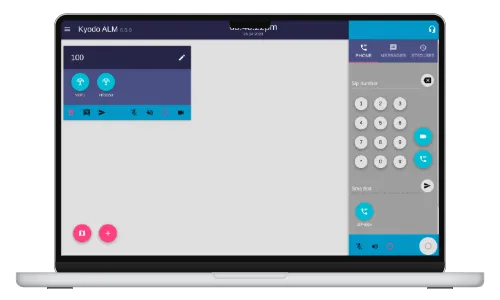
ALM is a communication and control platform for situational and dispatch centers. The team built it around a web operator console that coordinates SIP channels, radio systems, DTMF commands, audio recording, maps, cameras, and connection monitoring. Across later stages, ALM grew into a field-ready dispatch network with ALMIS interconnection, ONVIF/PTZ camera control, E1/T1 connectivity, ALM Daemon, licensing, service tooling, a 2024 launch in Tajikistan, and continued 2026 work on RF41, DMR v2, JsSIP/video, and operator UI improvements.
What the team built
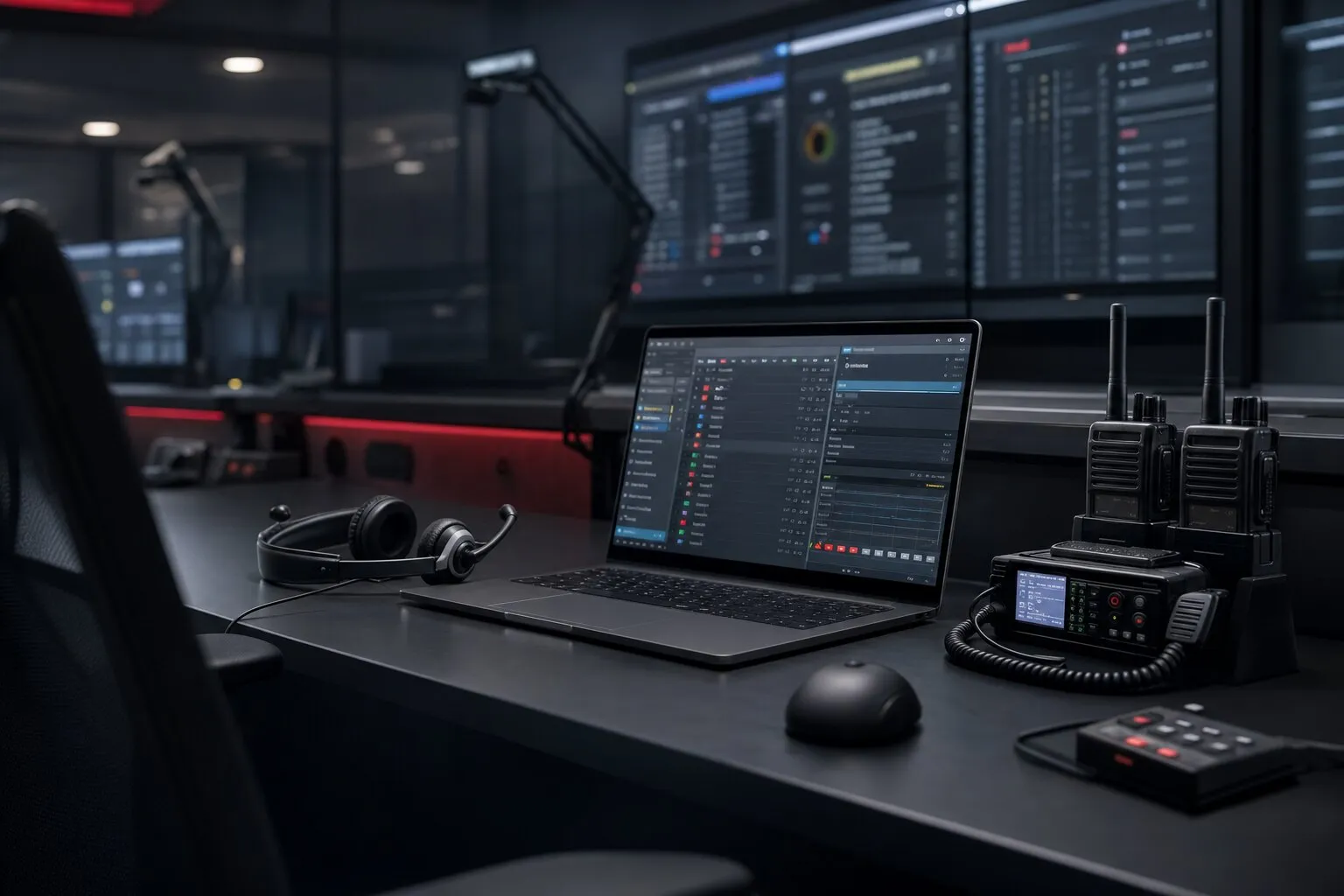
The team built ALM as an operator console for situational and dispatch centers. It connects SIP subscribers, radio stations, conference groups, maps, cameras, DTMF commands, audio recording, and service monitoring in one web interface for live communication control.
Radio, SIP, and group control
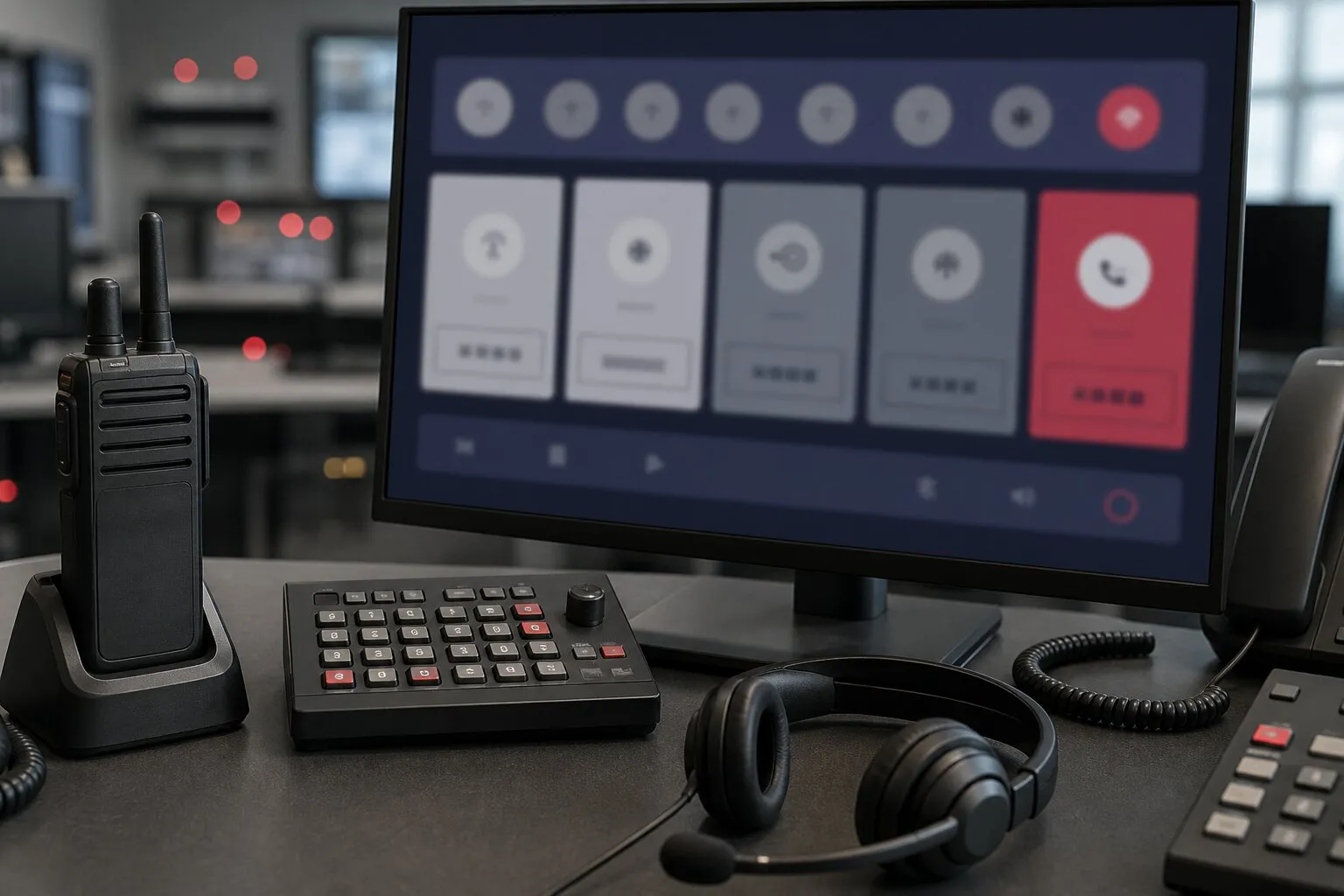
ALM lets operators create and remove communication groups, add subscribers dynamically, join a channel for listening or talking, and manage individual, group, and general calls. The system also supports remote group management through authorized DTMF commands, so radio users can trigger channel actions without the operator console.
Technologies
- Asterisk

- Docker

- MongoDB

- NodeJS

- Parse Server

- ReactJS

Distributed dispatch network
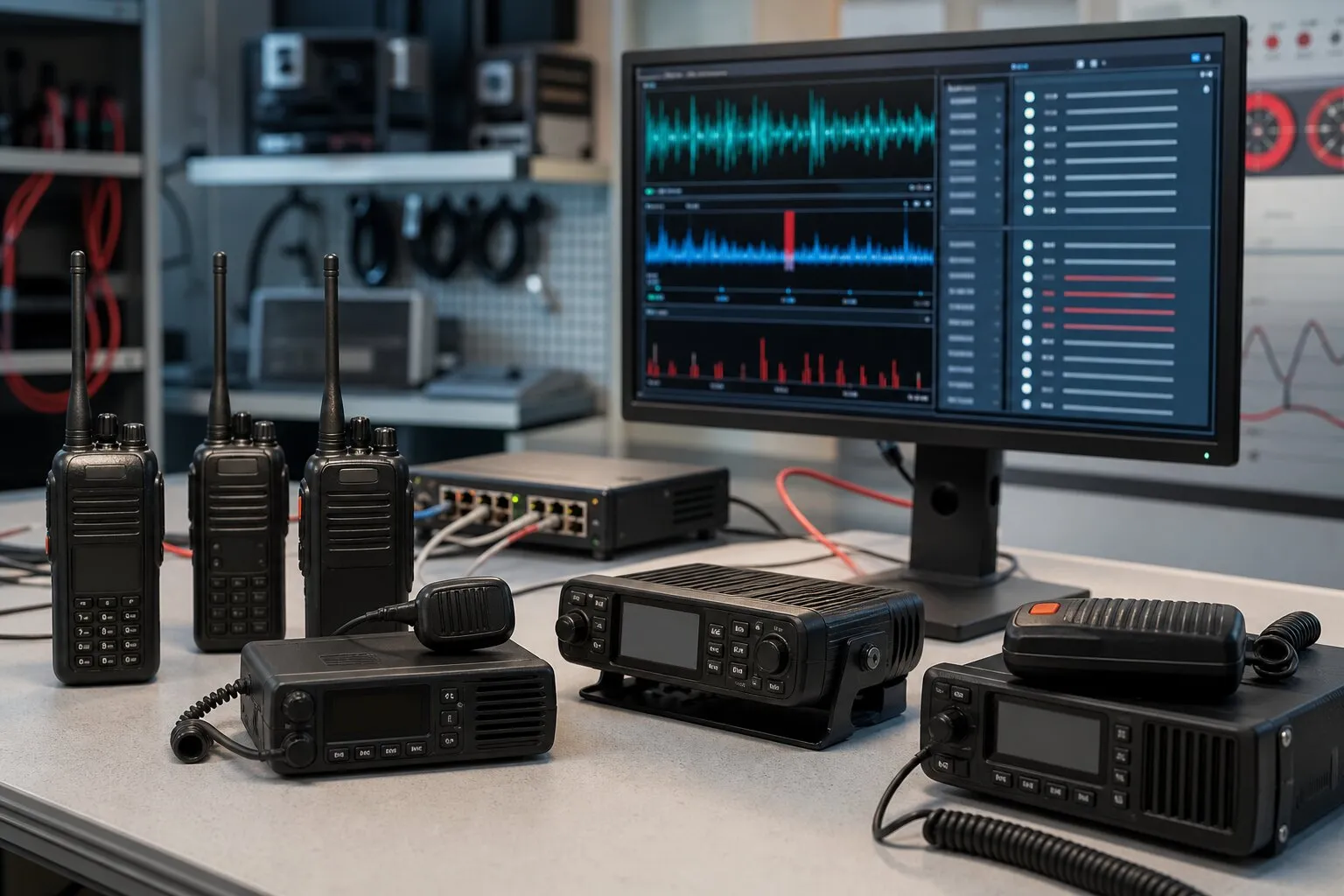
The platform evolved beyond a single console into a networked ALM installation. ALMIS links separate ALM systems, camera and sensor markers can be placed on maps, and operators can work with ONVIF/PTZ cameras, virtual cameras, NVR streams, external telecom trunks, and newer radio protocol families.
Team
-

Mr. Oleh Sannikov
Full stack developer
-

Mr. Oleksandr Nashyvan
CEO
-

Mr. Philipp Sapronov
Frontend/Mobile developer
-

Mr. Sergey Vaschenko
Project Manager
-

Mr. Vladimir Mezin
Senior AI Backend Developer
Installation, licensing, and field operation
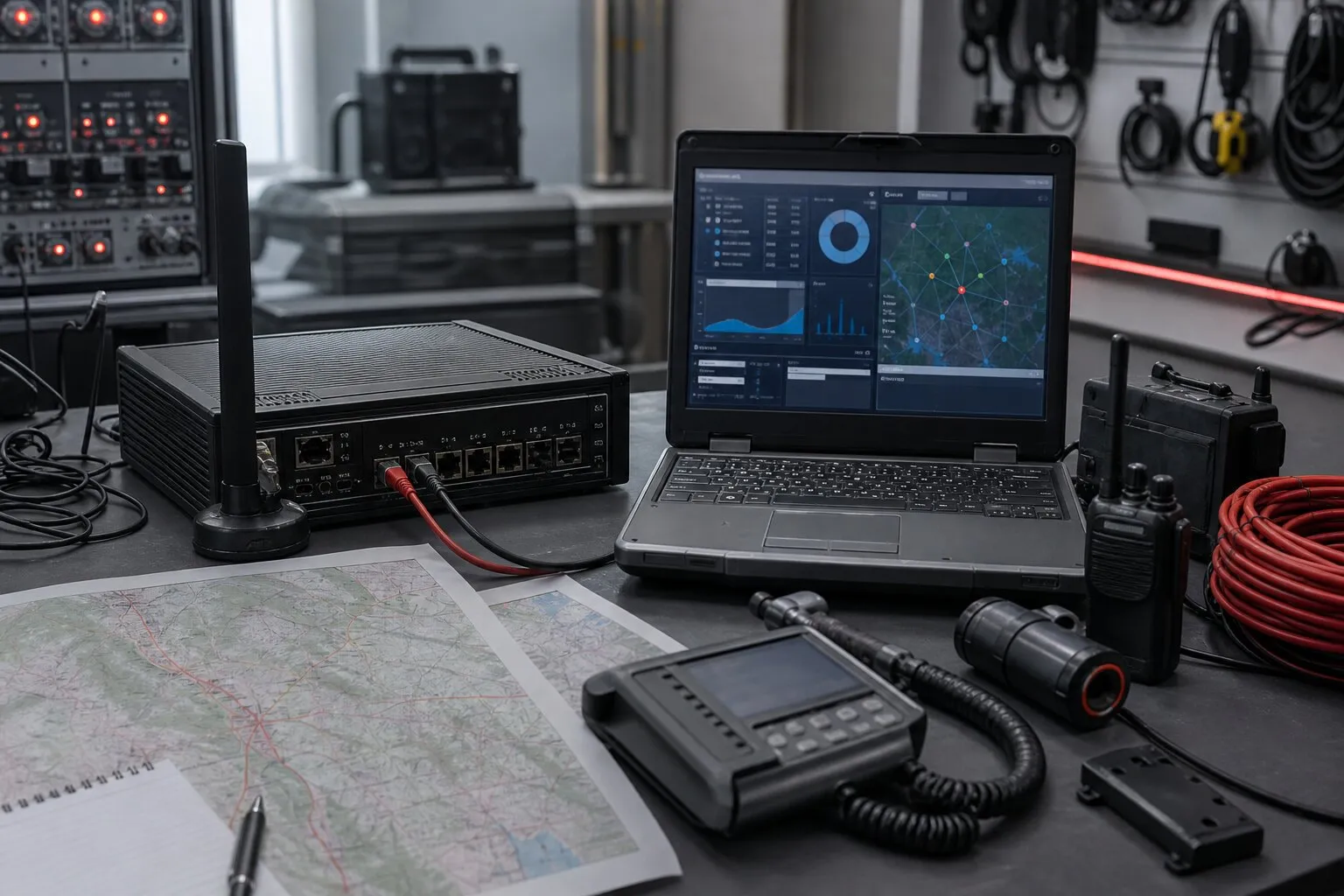
The team added tooling around deployment and maintenance: ALM Bin for command-line operations, offline installation archives, scheduled updates, ALM Daemon service monitoring, restart actions from the console, and Sentinel HASP licensing. These additions made the system practical for controlled environments where dispatch software has to be installed, updated, and diagnosed on site.
2024-2026 field evolution
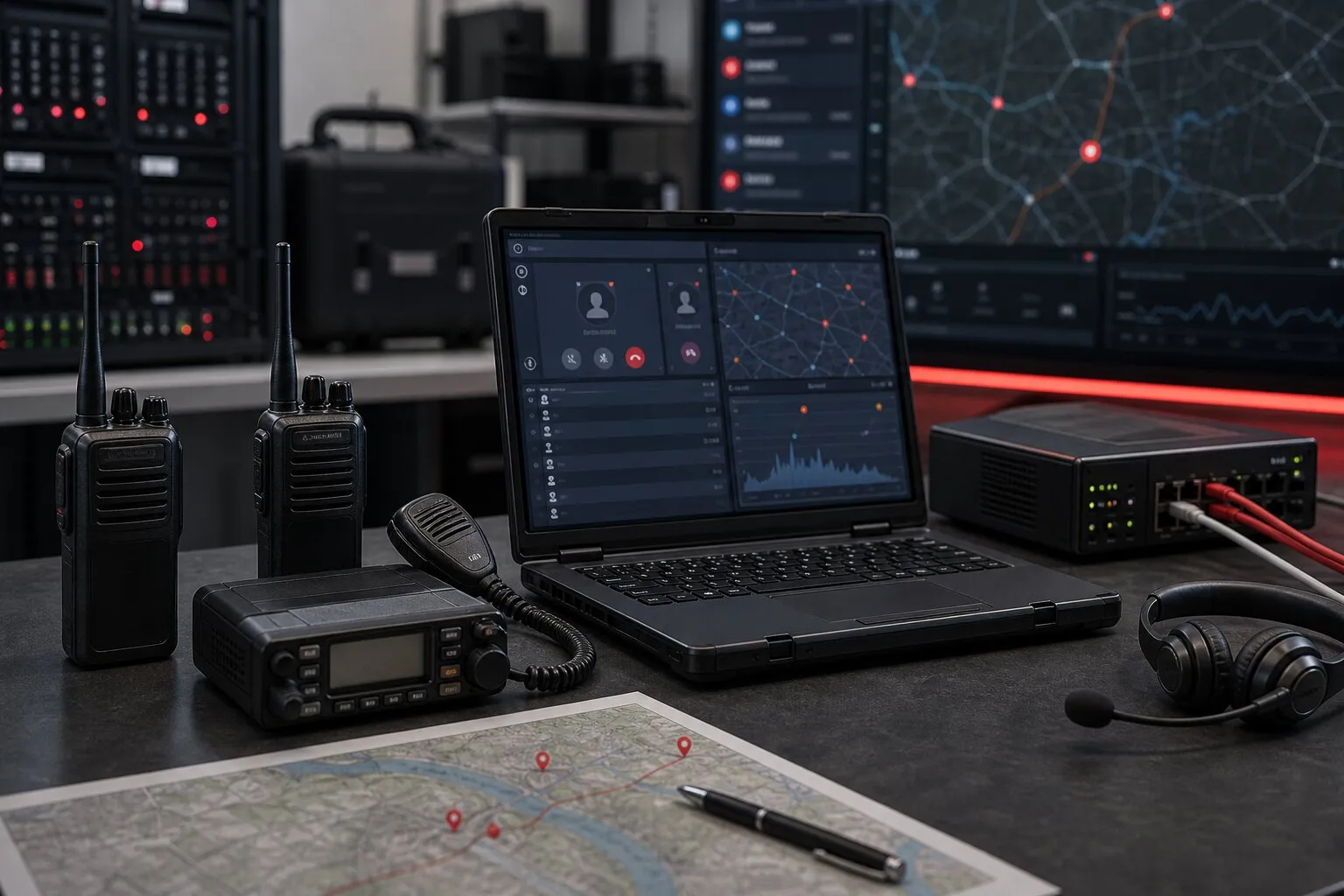
After the 2024 launch in Tajikistan, the team kept extending ALM for new radio equipment and operational scenarios. The later work added Icom and Codan support, remote media processing, diagnostics for Asterisk servers, GPS marker filtering, RF41 support, DMR v2 work, JsSIP/video migration, and refreshed operator UI details.